Imosol
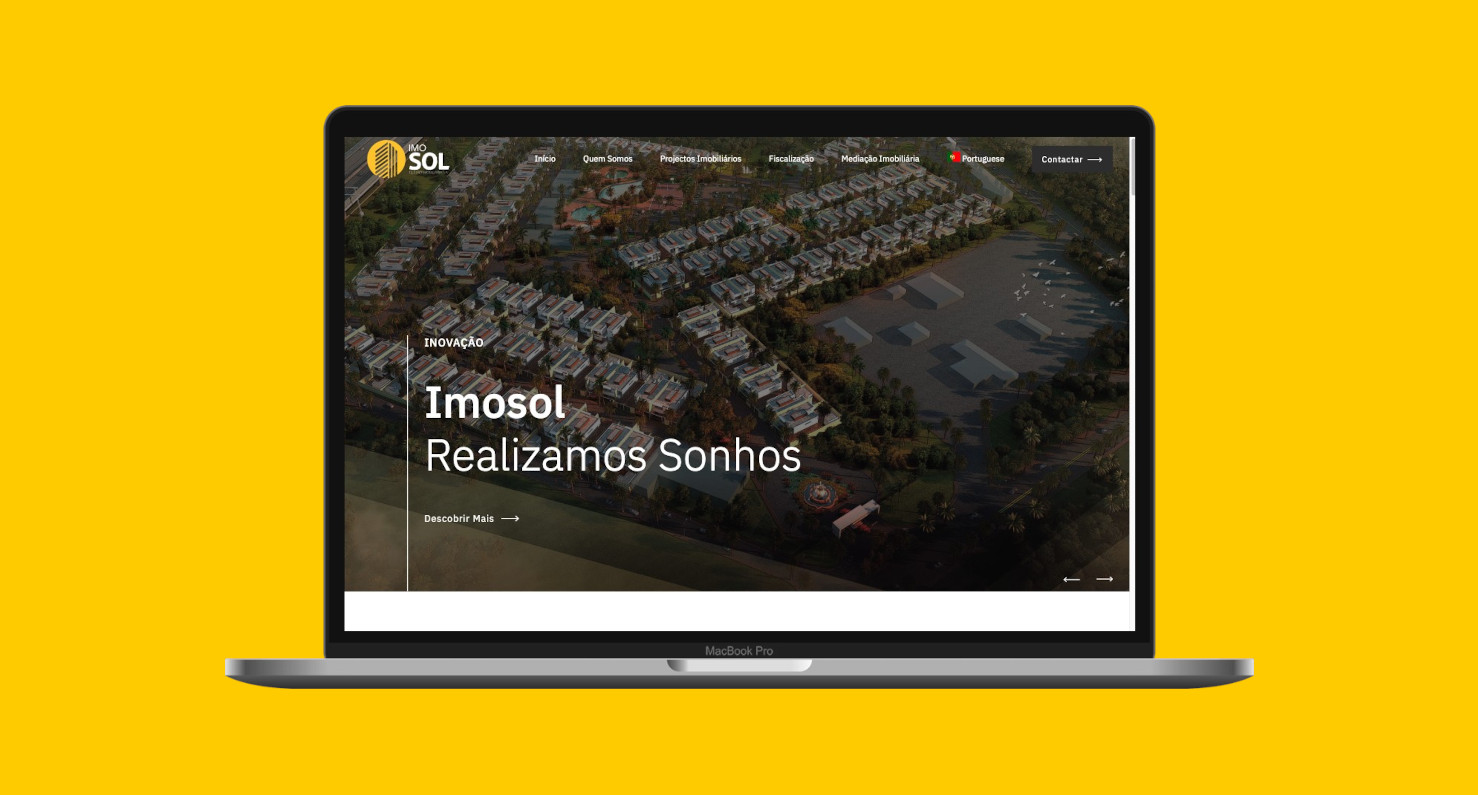
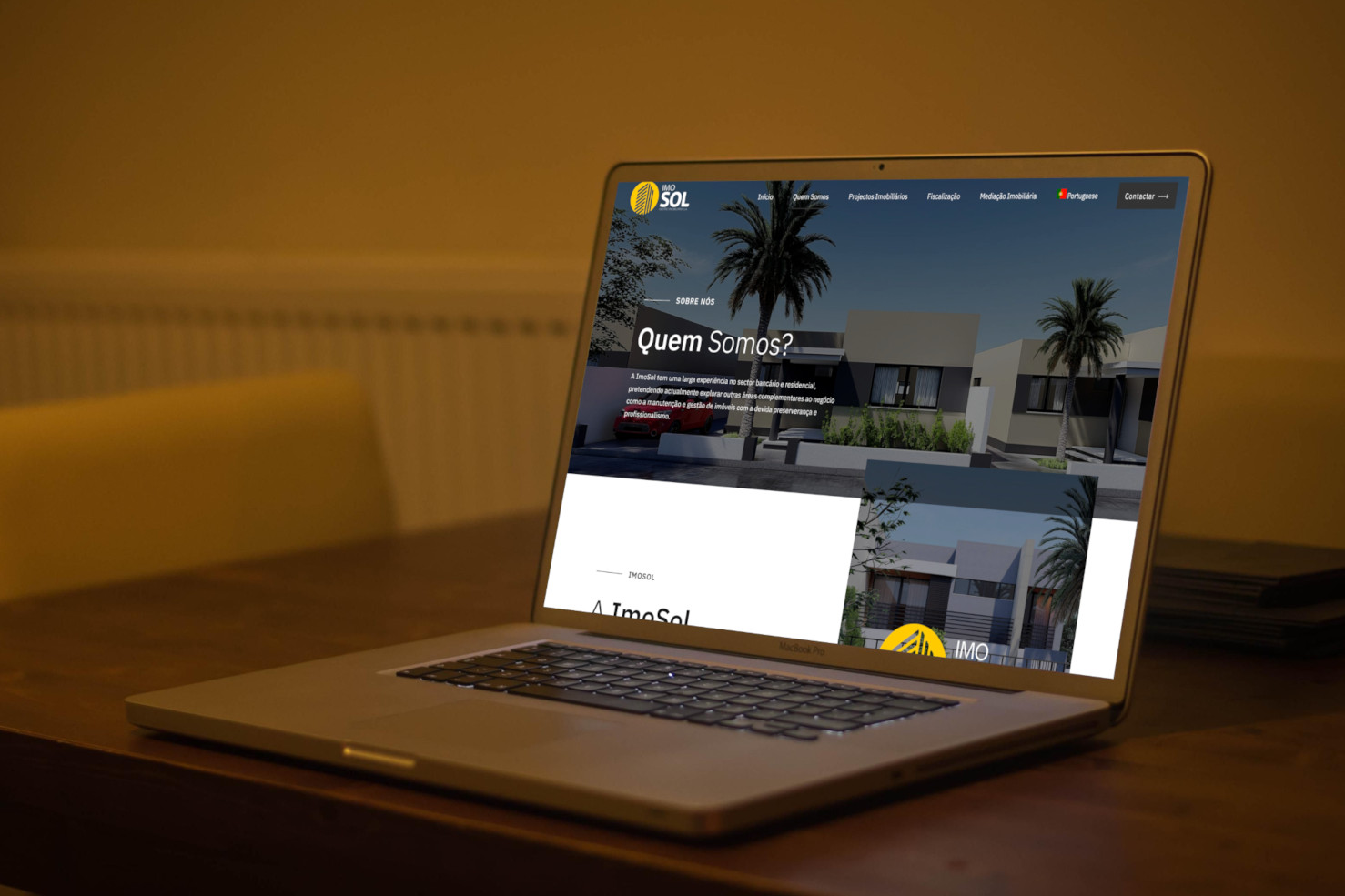
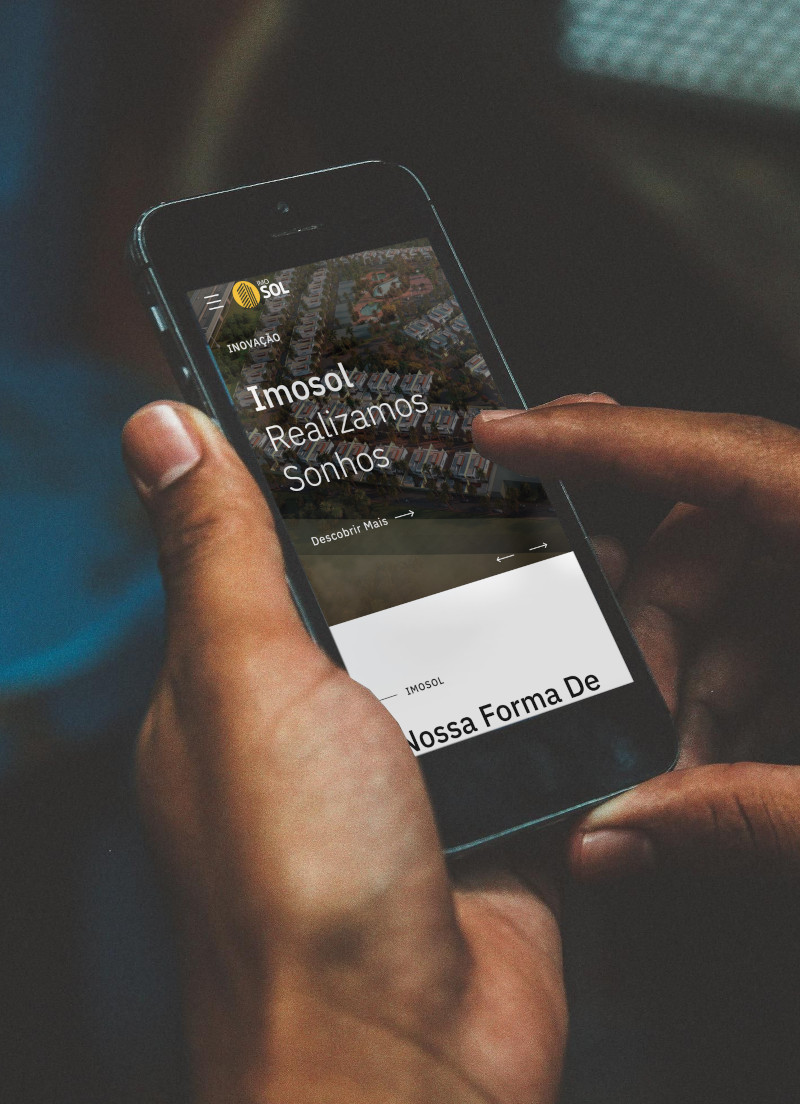
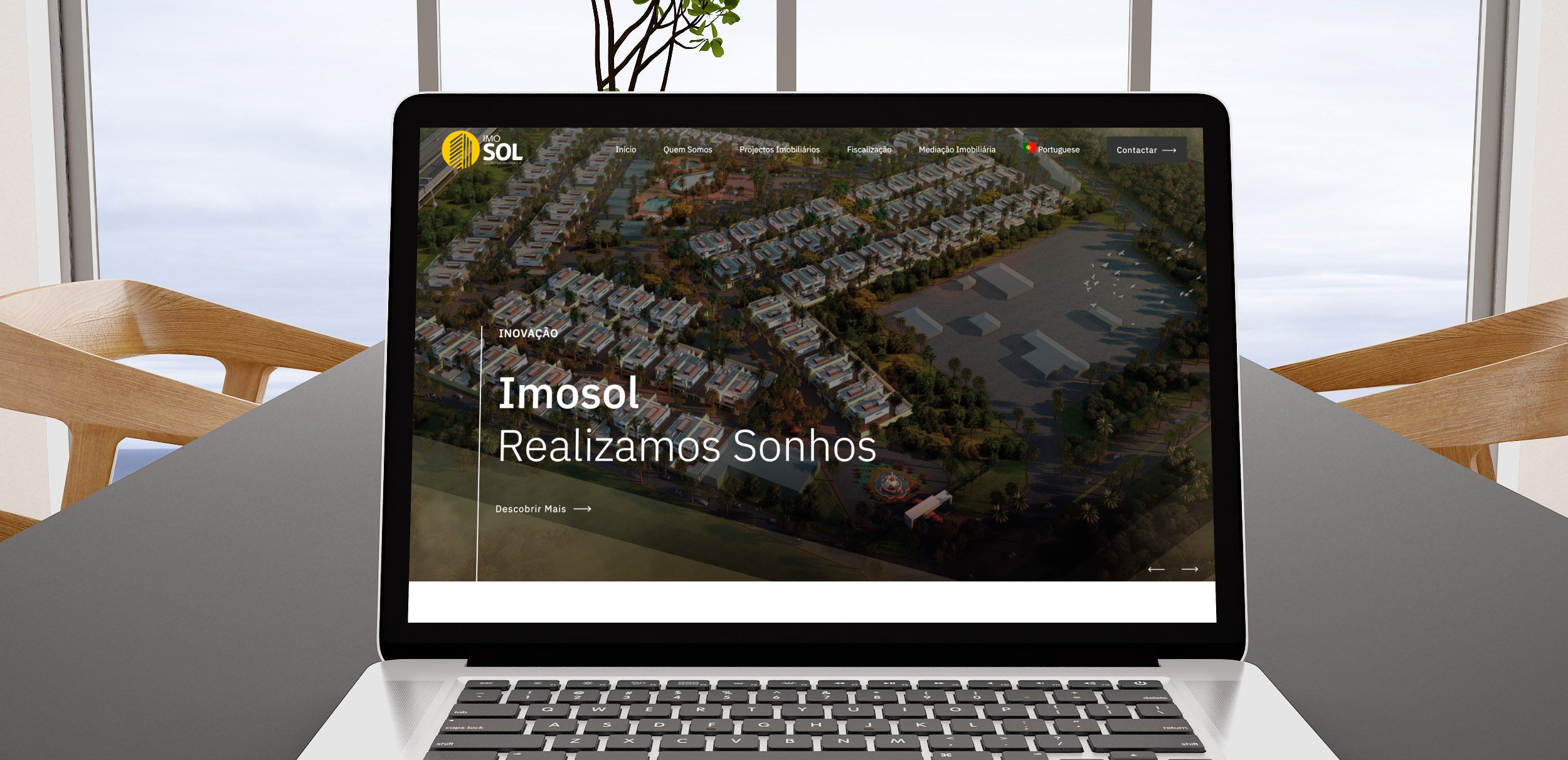
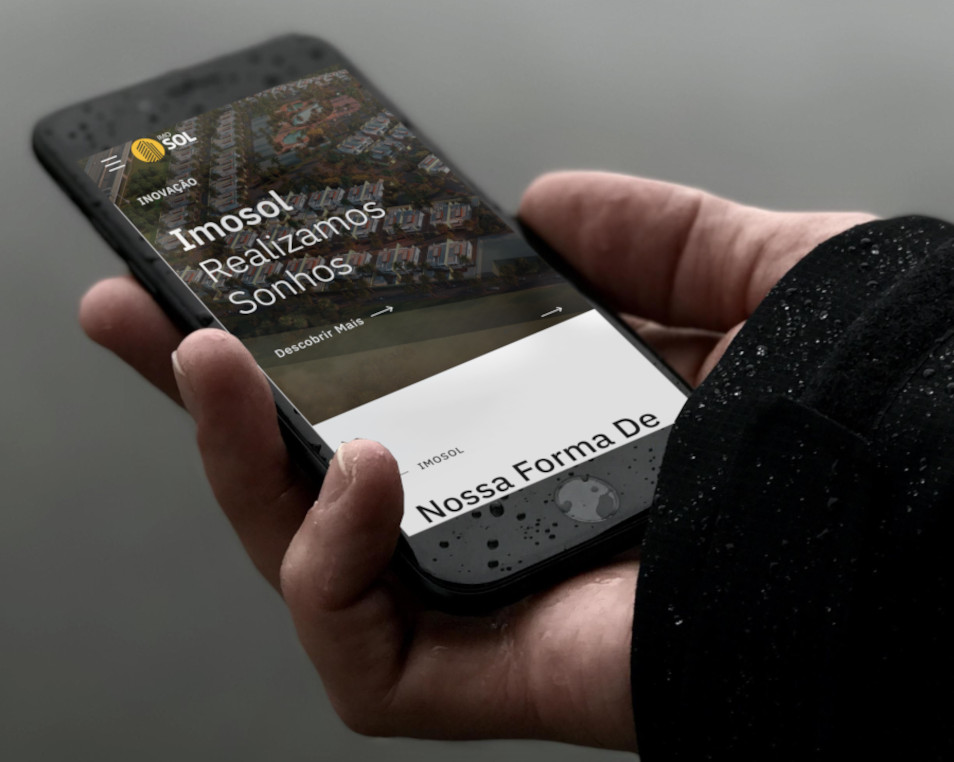
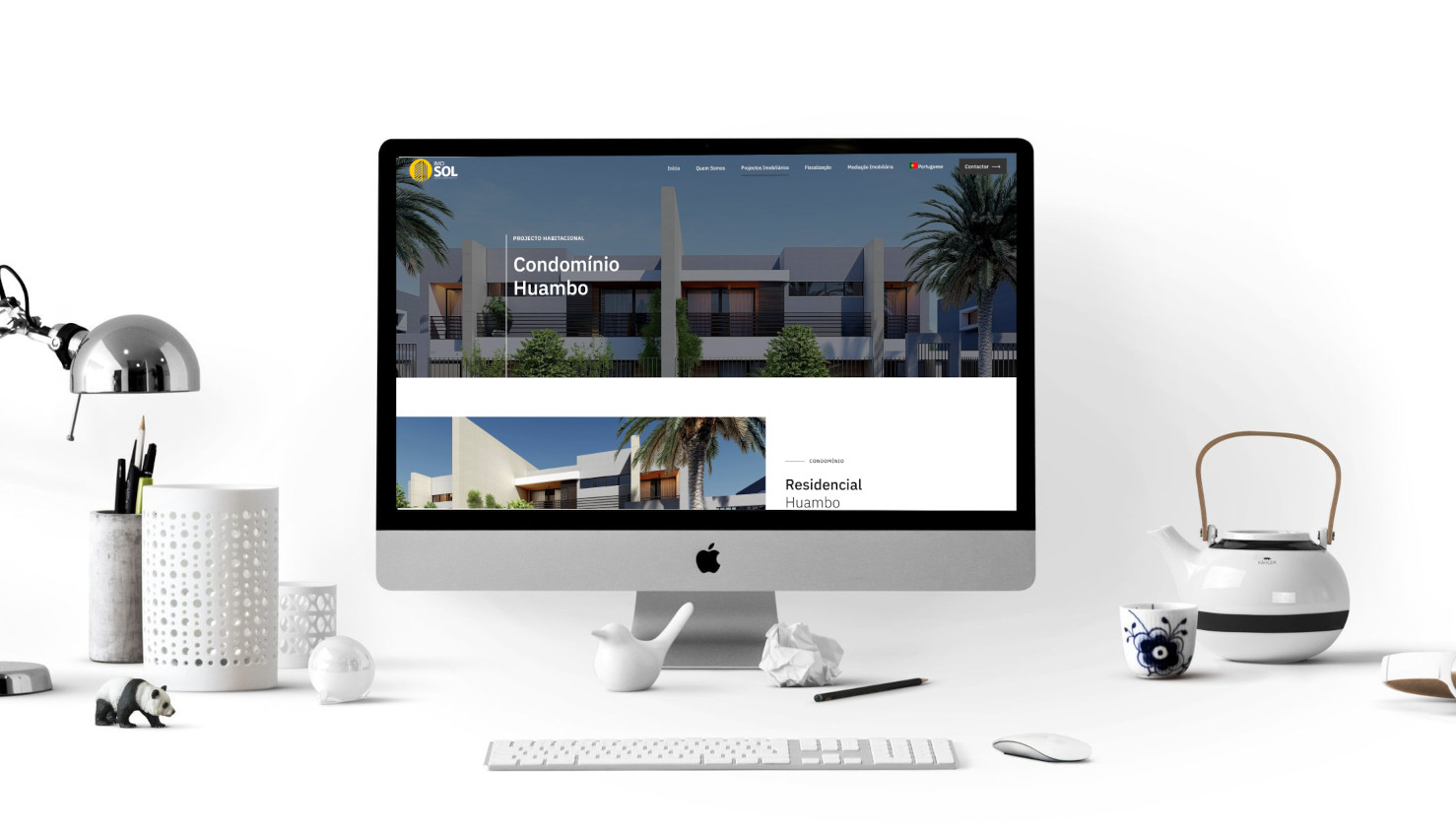
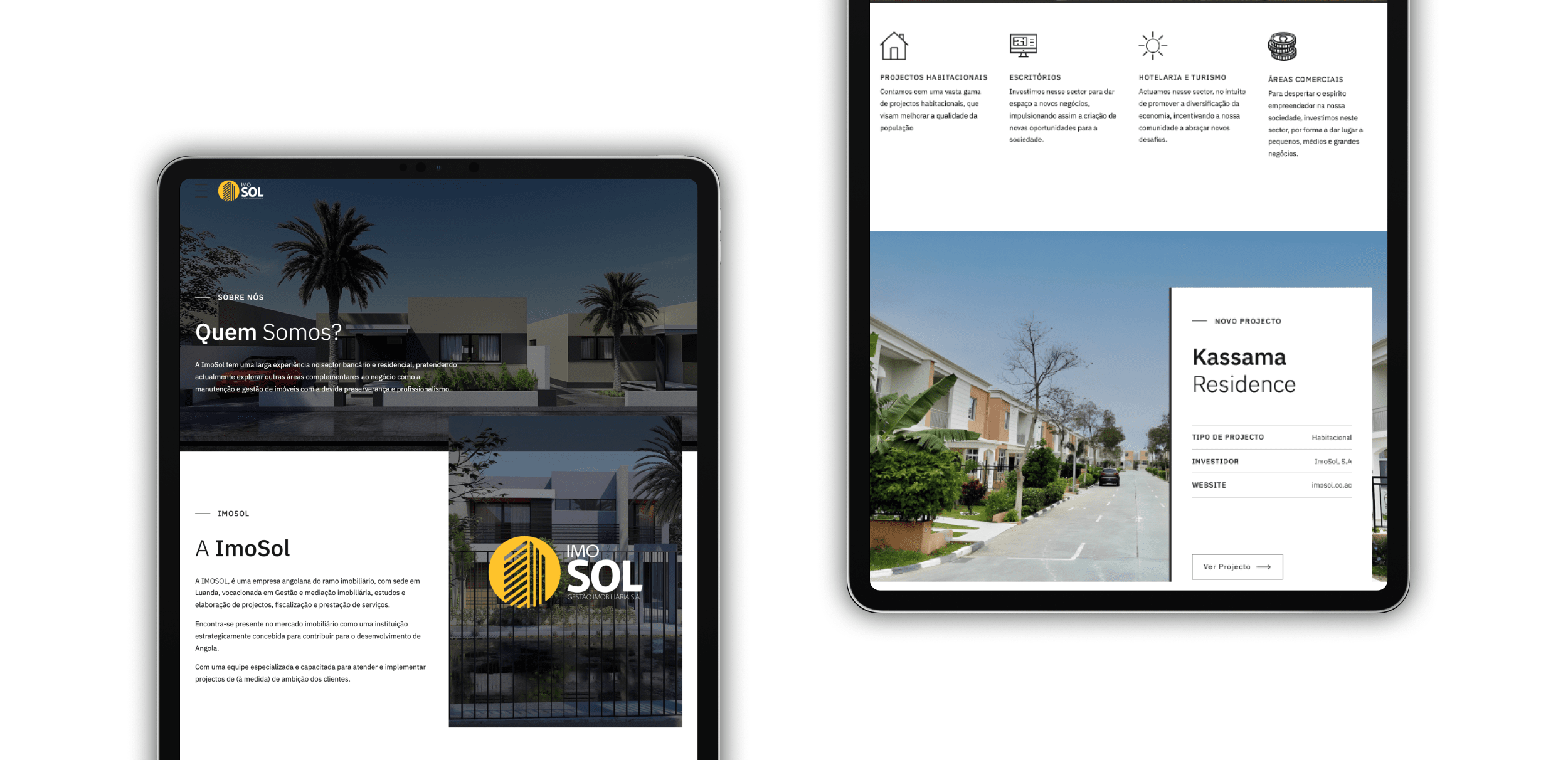
I developed the website for ImoSol, the real estate division of Banco Sol, focusing on structuring a complex portfolio of projects into a clear, accessible and scalable digital platform.
Technologies
- CSS, HTML, Linux Server, WordPress Platform
Client
Year
Website
The main challenge was to structure and translate a highly fragmented and unorganised set of information into a coherent and functional digital platform.
The company lacked a clear content structure, consistent communication, and accessible digital assets, requiring a complete redefinition of how its services, real estate projects and institutional positioning would be presented online.
Additionally, it was necessary to understand the real estate domain, including project phases, property types and investment contexts, in order to accurately represent complex information in a clear and accessible way.
The solution involved designing and developing a structured digital platform capable of serving multiple purposes, including property catalogue, institutional positioning and client engagement.
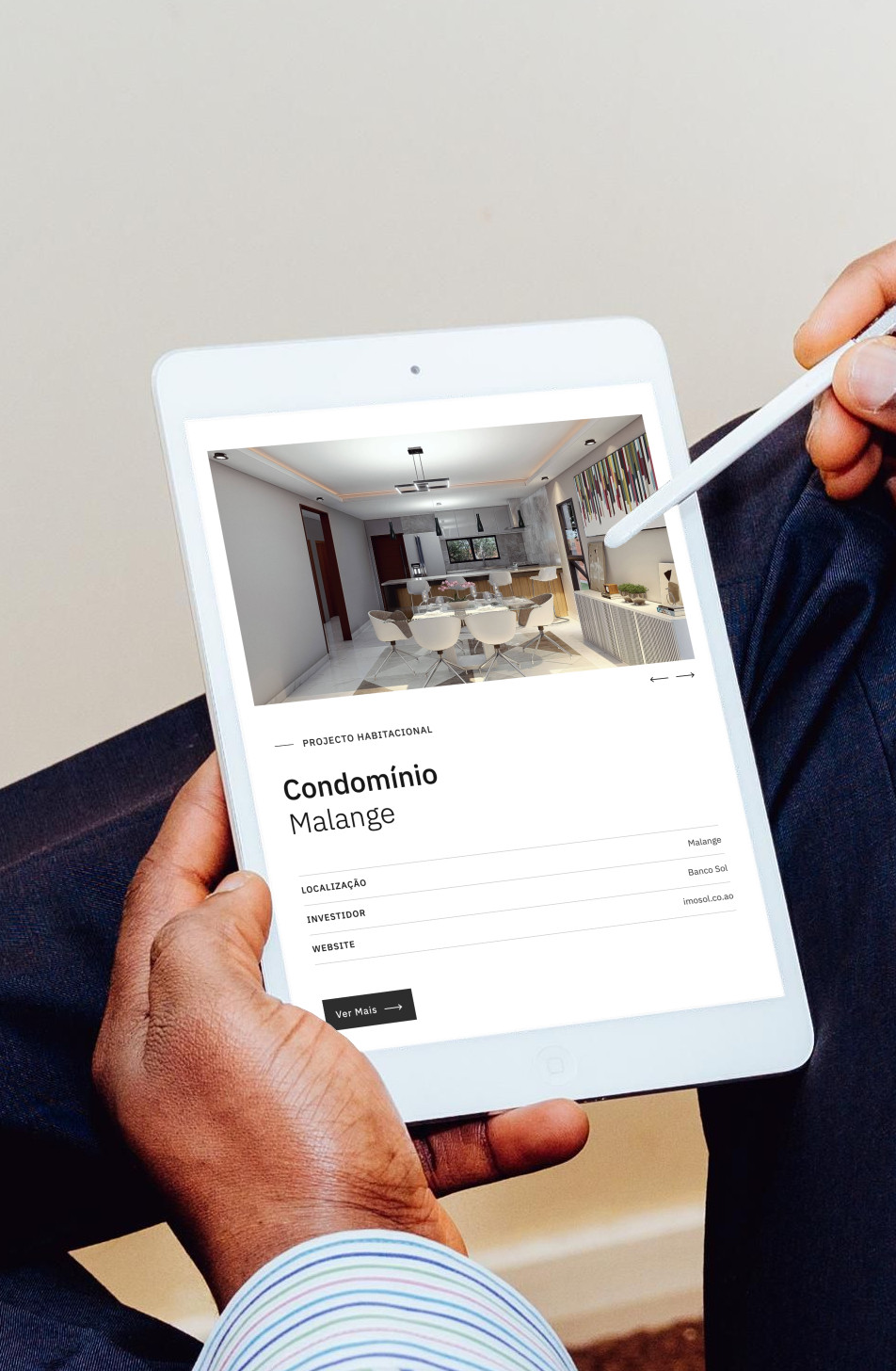
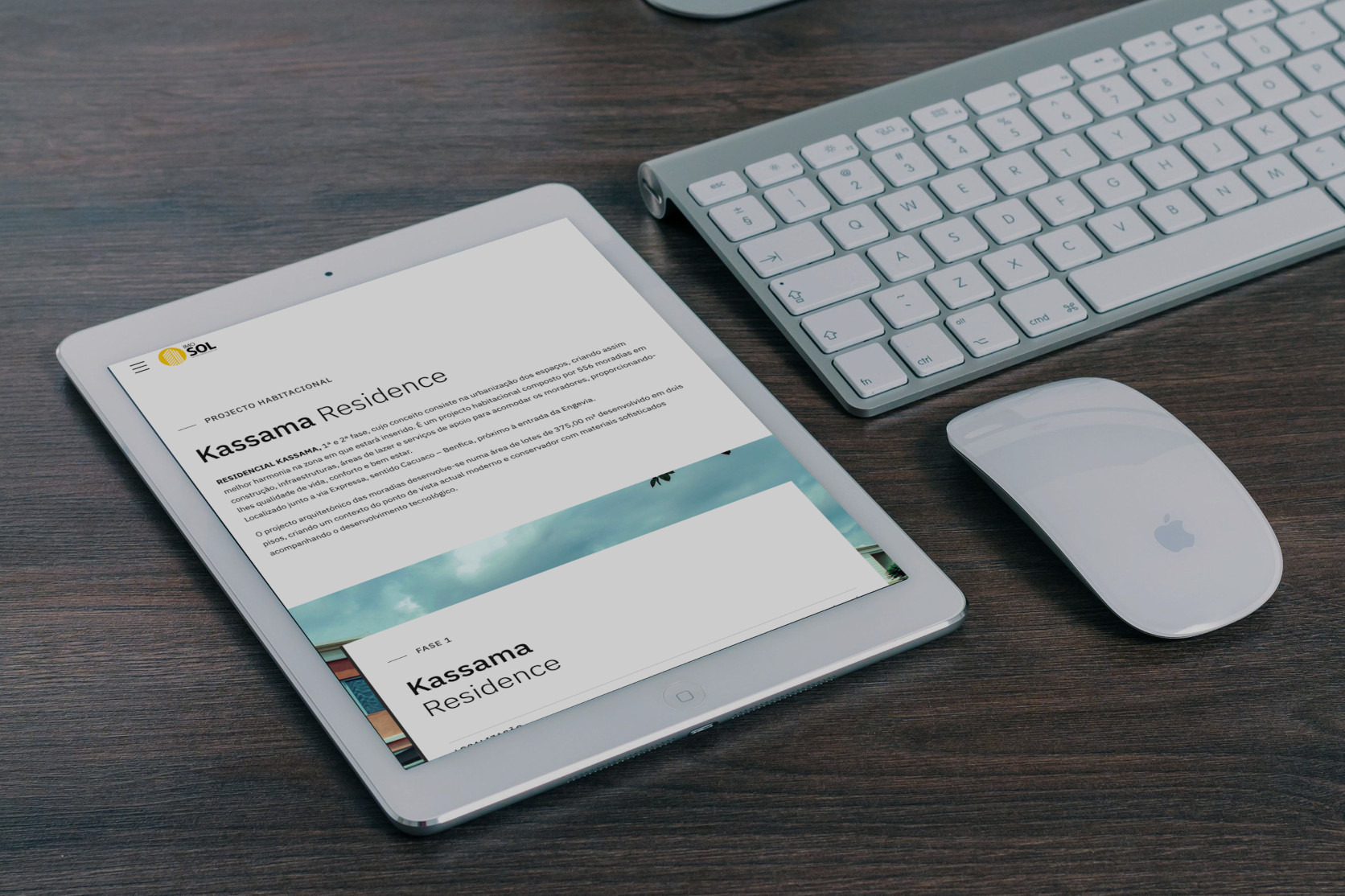
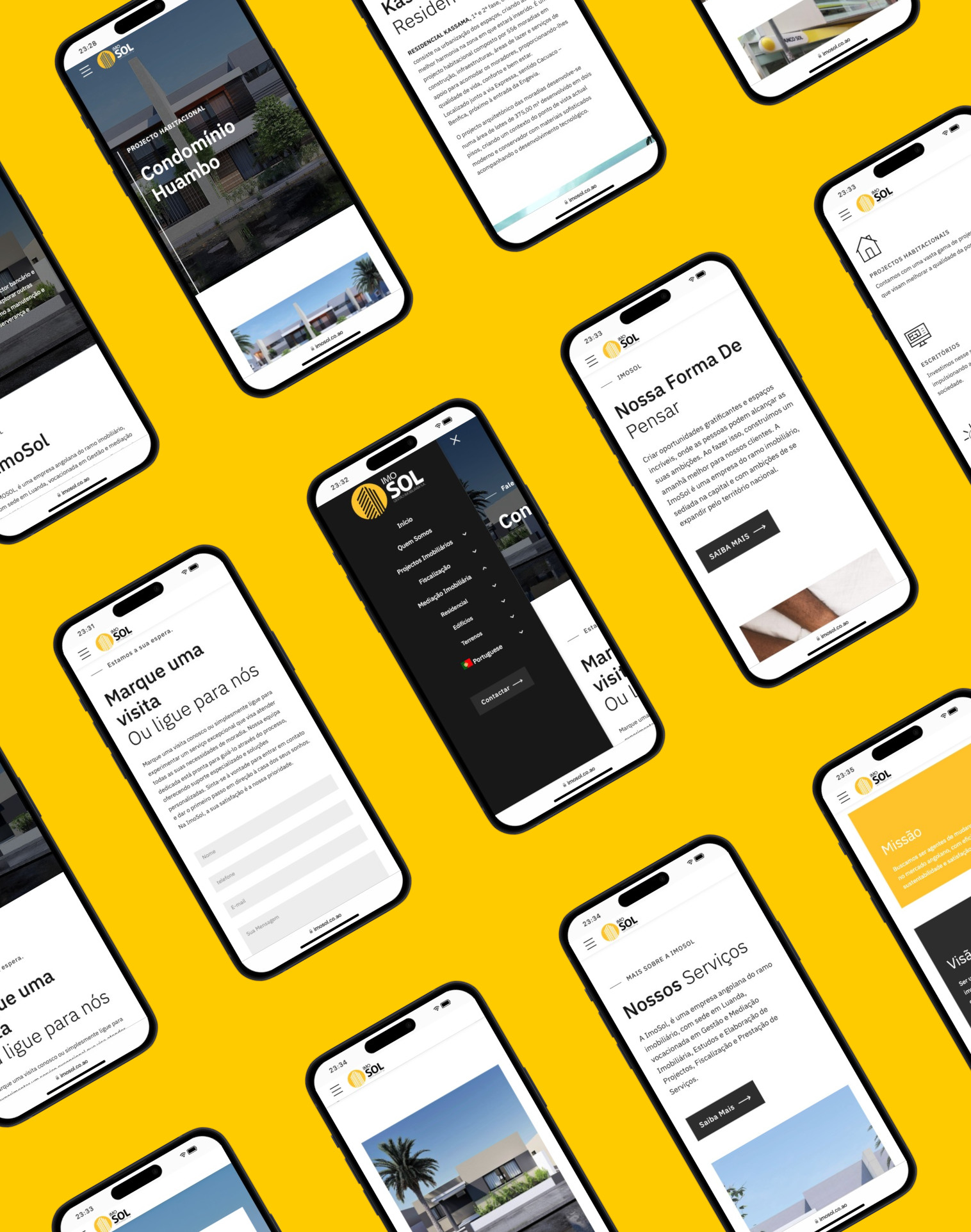
A clear information architecture was defined to organise real estate projects, property types, and development phases, allowing users to easily navigate and understand the company’s portfolio.
The platform was designed in Figma and implemented using WordPress, ensuring flexibility, scalability and ease of content management.
Additionally, significant effort was placed on content curation, including the selection and optimisation of visual assets, as well as the definition of a consistent communication tone aligned with the company’s positioning.
The process was highly collaborative and immersive, involving close interaction with multiple stakeholders, including management, marketing teams, architects and technical departments.
Initial phases focused on research and discovery, including on-site visits, analysis of real estate projects and direct engagement with internal teams to gather and validate information.
This was followed by the definition of the information architecture, user experience and interface design, ensuring alignment between business objectives and user needs.
Content development and curation were carried out in parallel with design and implementation, requiring continuous validation with the client.
Finally, training sessions were conducted to ensure that the internal team could autonomously manage and maintain the platform.
The project resulted in a structured and reliable digital platform that centralised the company’s real estate portfolio and institutional communication.
The website enables users to easily explore projects, understand development phases and access relevant information, improving clarity and accessibility.
Internally, the platform provided the team with the tools and knowledge required to manage content independently, increasing operational efficiency.
Overall, the solution strengthened the company’s digital presence and created a solid foundation for client interaction and long-term growth.